
I've been on Antidepressants for 13 years. Here are the 13 things I've learned.
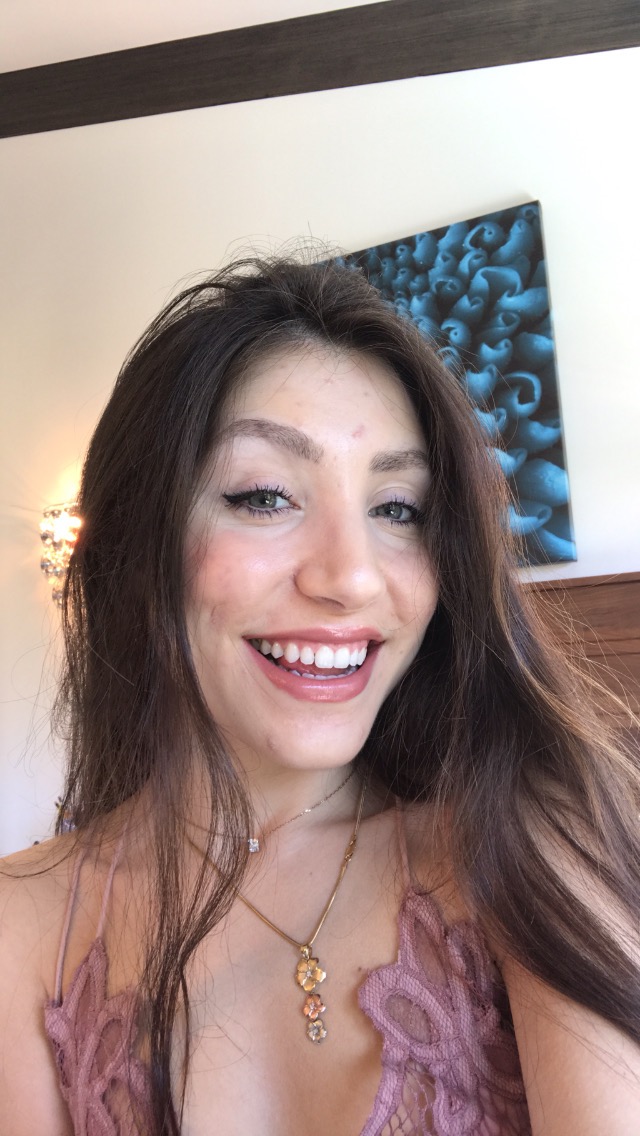
Because we could all get by with a little help from our friends.
I don’t fit most of the stereotypes people associate with my generation. I don't know any of the latest TikTok terms--I’ve never even had TikTok, thank you very much--I don't obsess over the drama of vapid influencers, and I actually do heavily self-berate any time I open a social media platform.
Unfortunately, I do fit quite neatly inside the oversimplified generalisation that Gen Z is the most diagnosed, and therefore most medicated, generation. To individualise myself a little bit, if I may, these little pills have been a part of my daily routine since before you could buy them like candy at the local gas station.
Despite their increased presence in our society over the past 5 to 15 years, I know and continue to experience the stigma that surrounds psychotropic medication. Alas, allow me to use my blog in the only way I know how: to share with you the silly little nuggets of wisdom I have gathered along on my silly little life experience thus far.
Think of this as your big sister's guide to antidepressants!
**Disclaimer: I am not a medical professional, nor should anything stated throughout this blog post be taken as medical advice. I am simply a writer reflecting on my experience with antidepressant medication in an effort to reduce the stigma surrounding psychotropic medication. Consult your healthcare providers only to determine whether psychotropic medications are a good fit for you.**
1. People have a lot to say about people who take medication for their mental health 🙋🏻♀️
It is important that you do not mind these people. I do not entertain the opinions of anyone other than myself and the professionals I see when it comes to my healthcare.
No matter what it is you are being medicated for, or exploring the idea of being medicated for, please do not put up with shame or stigmatisation from the often ignorant and uneducated outside world. Social media has made us far too comfortable with listening to and absorbing the opinions and thoughts of other people, whose opinions on certain things frankly do not deserve to be heard. Your experience and journey with medical treatment should be between you and the professionals you see for care. Period.
2. What works for someone else will likely not work for you 💆🏻♀️
Whether it's medication, a self-care activity, or even a healthcare provider, your mental health treatment plan is your mental health treatment plan.
I do not compare medications with others the way I compare favourite lip glosses, and unless someone explicitly asks about my experience, I will never give unsolicited advice about medications I have been prescribed.
No one has your brain, so stay in your own lane.
3. Learn and embody the beautiful skill of self-advocacy 💪🏻
What I will tell people is that no matter what you are in treatment for, you need to advocate for yourself and your unique treatment plan.
Whether it's to family, colleagues, educators, or healthcare providers, only you have the power to vocalise your experience and push for the care that is right for you.
As a young woman who has been in the healthcare system for a highly stigmatised illness since before I could do fractions, I know a thing or three about the generalisations of the female experience. Mood swings, low iron, period cramps, acne… You name it, it's normalised as just part of being a woman and is often ignored. I have a degree in literature and could happily provide sources to a number of novels I studied centred around the phenomenon of female hysteria.
These days, I arrive at doctor's appointments with a bullet-point list in my Notes app containing topics and questions that have accumulated over time and are my current priorities to discuss. This has been a game changer. It helps me stay focused on what I came to the appointment for and prevents me from getting overwhelmed trying to rehash every recent breakdown within my 5-minute time slot with my doctor. I review my notes while I'm in the waiting room, or even while sitting face-to-face with my doctor, and they are usually grateful to see that I have done my pre-appointment homework--I'm such a kiss-ass.
4. Medication is a tool, not the end of your treatment plan 💊
Before majoring in the minors, if possible, try to strengthen your foundation.
If I abandon my nutrition, my rest, my time in the sunshine, and my movement, it's like lacing up running shoes without putting on socks first.
Before you say it, don't worry, I know how difficult it is to take care of yourself when you're depressed. It can sometimes feel and be impossible to rest, eat, and move as much as a healthy adult human is expected to. I'm simply saying that antidepressants cannot replace the important role basic self-care plays in our overall human wellbeing. They have come a long way since I was prescribed my first pill, but if there’s one thing I know to be true after 13 years, it is that they work best when working in tandem with a healthy foundation.
Periods of stagnation or "falling off track" are completely normal when you're living with any illness, but I know I am setting my medication up for success when I provide it with the healthiest foundation I can realistically cultivate at the time.
5. Keep notes throughout your treatment 📝
I'm not saying you need to obsess over every tiny mood change you experience. Life will always be full of a plethora of emotions, those subjectively pleasant and objectively shitty. There's not a pill for that, yet.
It's simply good practice to keep track of how you're doing on a weekly or even monthly basis. This can help you to recognise patterns and changes in your emotional state or behaviours for when your provider inevitably asks how things have been going. Even if you’re not pursuing professional treatment, I am definitely a fan of regular check-ins/reflection, especially if you are someone like me who tends to go through the motions of life without ever allowing yourself to pause, savour, or simply have gratitude for all that you’ve already overcome.
6. Don't consult Dr. Google. Or Dr. Reddit. Or Dr. Random Viral TikTok Girl 🤳🏻
This one is tricky. I completely understand the isolated experience of mental illness treatment, and the desperate desire to identify commonalities with others who have walked the path before you. It’s part of why I write this blog: to make people feel less alone and more validated in their journeys through adulthood and mental health struggles.
However, if something about your medication concerns you, or you've heard something through the grapevine that transforms you into a red-eyed Reddit raccoon, bring it up with your provider. They are there to answer your questions and support you with the breadth of knowledge they have. It's literally what they went to school for.
7. No, antidepressants do not make me happy all the time 😃
I've been on a variety of SSRIs and SNRIs to treat depression over the past 13 years and, ba da ba ba ba... I still have depression! On the bright side, at least my expectations for life are very low these days!
Jokes aside, psychotropic medications are not “miracle workers” (as your doctor should have told you). They likely will not eliminate all pain and suffering from your internal experience, and they certainly cannot eliminate the pain and suffering that is inevitable to find you externally.They are simply one tool in your emotional tool belt that can support your emotional response to and experience of the lovely stressors of living.

8. If you're looking for an instant fix, this ain't it 🤕
Antidepressants are not Tylenol. They do not find the headache and eliminate it 30 minutes after ingestion.
In my experience, doctors often recommend waiting at least four to eight weeks before full effects of a medication can be observed and felt. Of course, speak with your prescriber about your specific medication timeline, and definitely outline a plan for how to hang on in the meantime.
9. You will have bad days. Do not panic. Do not stop taking your meds 🌧️
A bad day does not mean your medication has stopped working.
As I said, I have been medicated for 13 years and I still very much experience depression and anxiety.
Antidepressants affect everyone differently, but I tend to think of my medication less as a "happy pill" and more as a warm, soft hand I hold every day as I move through life. How charming!
10. What works for you in one phase of life may not work for you in another 🐣🐥
This year, I have gotten really close with my good friends stress and anxiety as a result of my first move out of my family home, occurring simultaneously with a career change.
To my comfort, my healthcare provider reassured me that moving is one of life's 5 biggest stressors and that I needed to stop being so hard on myself for reacting to the transition normally.
I changed medications when I graduated high school due to increased stress. I changed them again during the COVID-19 pandemic, and again after graduating from university.
Just as we outgrow certain friendships or hobbies, our brain chemistry and needs can change as we grow through and experience our individually complex lives as well.
As long as I continue following lesson number 5, I am able to keep on top of any sudden or unexplainable changes and react accordingly.
11. If it's safe and comfortable to do so, tell the people closest to you what they should know 🫂
Whether it's possible side effects, accountability with taking your prescription, or any other support you may need on your treatment journey, I feel the safest when those closest to me know what they need to about my meds.
Just like physical illness, mental illness is real. You deserve not only treatment, but also a support system around you while receiving that treatment.
12. Do not stop taking your medication without your doctor's supervision 👩🏻⚕️
I'm not even going to elaborate much on this one. Let's just say I'm speaking from experience when I reiterate that any change to your psychotropic medication should be monitored by the healthcare professional who prescribed it.
13. Be proud of yourself 🥹
I clearly remember the embarrassment of being diagnosed with depression and anxiety as a 14-year-old, during a time when mental health wasn't discussed nearly as openly as it is today. If you had told me that in my late twenties I would be writing about my sadness on a public blog, I would have told you that you were on one.
Thankfully, I also clearly remember a young nurse practitioner telling me that I should be proud of myself simply for asking for help in the first place, because now she could help me find it.
No matter where you are in your mental health journey, the fact that you respect yourself enough to identify an area where you would like to improve is huge, and something to be grateful for.
We all struggle with something--likely, many things. We all also deserve the opportunity to identify, explore, and access treatment that helps to bring us a little bit closer to the life we deserve to live.
Here's to getting by, in whatever ways work for us,
Juls 🌞


Comments